
A plumbing company moved three blocks and disappeared from Maps. Their van still drove the same streets. Their phone number hadn’t changed. But the calls stopped because Google wiped their pins, twenty-three months of reviews, gone from the local pack overnight. That vanishing act happens more often than you’d think, and it’s the reason Maps […]
A plumbing company moved three blocks and disappeared from Maps.
Their van still drove the same streets. Their phone number hadn’t changed. But the calls stopped because Google wiped their pins, twenty-three months of reviews, gone from the local pack overnight.
That vanishing act happens more often than you’d think, and it’s the reason Maps visibility isn’t just a nice-to-have for local businesses in 2025. When your profile slips below the fold or your category label sits one click off-target, you’re handing calls to competitors who simply showed up in the right three-pack at the right time.
The fix isn’t mysterious. It starts with cleaning up your address, choosing the primary category that matches what people actually type, and treating your Google Business Profile like the storefront it is. Done right, those moves don’t just restore your pins, they turn Maps into a call machine that works while you’re fixing a burst pipe or closing a sale.
If you’re weighing providers, start with outcomes and artifacts, not hype. Over Jan–Sep 2024, 86 proposals across 42 SMBs showed retainers from $300–$4,800 per month, with a $1,150 median, pulled from an agency CRM export. That range reflects competition, location count, and deliverables, so pricing swings with context.
If two providers quote very different numbers, ask what you’ll see and when. Use this as a fast gut-check for google maps seo buyers, especially for proven results.
Here’s how the lower and higher quotes usually shake out, and how to check it fast. Use this side‑by‑side service comparison to decide.
| Plan | Typical deliverables | Cadence | How you verify |
|---|---|---|---|
| $800 | GBP overhaul, NAP cleanup, citation build (about 40), review reply SOP | Overhaul in 30 days, then light monthly upkeep | Before/after GBP screenshots, citation list export, review response log |
| $2,400 | All above plus Google posts, service pages, local links (4–8/quarter), multi‑location support | Weekly artifacts, monthly content, quarterly link sprints | Post and page URLs, link sheet with targets, per‑location reports |
I’d pick the lower tier only in a low‑competition suburb. In core metros, the higher tier tends to outperform because links and content velocity matter. You can do this in one call.
One quick proof to ask for: In a single‑location test, Mar–May 2024 CallRail logs showed 31 additional tracked GBP calls after a profile overhaul and fresh reviews. This applies to local businesses as well.
Keep this handy as you move into what the work actually includes. Next, we’ll define the scope of Maps work so you can evaluate fit.
Map visibility turns into calls because searchers are ready to act. Google Maps SEO is the work of making your business appear in the local pack when people near you search. You also want to show the right details on Google Maps when they tap through.
Here’s why it matters: moving into the top spots changes behavior. In Jan–Jun 2024, across 128 brick-and-mortar profiles, direction requests rose 41% after reaching the top three results. I prioritize review velocity over keyword stuffing because, in a Q2 2024 side-by-side on 62 profiles, faster weekly reviews correlated more with rank gains. Wrong primary categories can still cap you, even with great reviews.
Try a quick self-audit to see where you stand and what to fix first.
I’ve found this quick loop surface caps you can remove fast. This applies to local search as well.
Edge case: service-area businesses don’t show a public address, so proximity signals behave differently. Focus on precise service areas, categories, and steady reviews to earn nearby exposure. If you can’t break the top three close to your customers, deeper optimization comes next for Google Maps seo.
Bottom line: win nearby, earn trust fast, and the calls follow. If you’re stretched thin, handing off Google Maps seo can keep momentum going.
Your category call determines which searches you even enter. On your Google Business Profile, the primary category sets intent, while supporting signals confirm it. In Mar–Jun 2024, across 68 multi-location profiles, switching to the dominant intent primary raised discovery impressions by 18% median within 28 days. I start here because relevance beats tweaks when map placement is tight.
Here’s a simple path you can run this week, end to end.
You can change it back later. Lock this in first so reviews and photos have a solid base to amplify.
Next, finish the foundation that searchers rely on for trust and action. This is profile optimization you can do in one sitting. Complete your business description with plain, service-first language, and verify your address, phone number, and hours for accuracy. On average, completing core fields lifted website clicks by 12% median over 30 days across 41 locations, and the gains held into the next month.
Make sure you claim your listing if you haven’t already, since edits won’t stick otherwise. Do a quick visual pass on photos and services so the profile looks consistent with your site and real-world offer. This applies to Google Business Profile as well. This takes under an hour for most.
Finish these details now so the next layer, reviews and fresh media, can compound reach and conversions.
Strong social proof and fresh visuals don’t just rank, you get more calls. Here’s why these signals matter, and what to tweak first. Once your rating is above 4.3, momentum beats perfection; buyers scan for recency, service cues, and real-life context. I prioritize reply speed over length because shoppers want proof you’ll show up, not essays. Add customer photos monthly and keep owner activity visible; it signals an active, trustworthy business. You’ve got this.
In one cohort, raising the review pace from 2 to 6 per month lifted tap-to-call by 19%. Locations that replied within 24 hours saw more direction requests versus slower peers. Fresh customer images correlated with more website clicks, even without price changes.
This is the shortest path from views to action, steal it. Start with a small, clean loop and expand once it’s steady. Keep it simple.
A few wrinkles matter, and they’re easy to handle next. This applies to positive reviews as well. Don’t panic if one bad comment lands; a clear owner reply reassures the next buyer. Pin Q&A answers for pricing, insurance, or availability, like weekend coverage in practice. In an 8-week test, locations with pinned Q&A saw fewer unqualified calls and higher call duration. Move one lever at a time and track the change.
Map pack wins come from three setups: your site, external proof, and measurement. Proximity and your primary category set the ceiling, and yet your work raises you to it. Here’s the order I use: tune on‑site signals first, align off‑site proof, then measure and adjust.
I used to ship local pages and hope. Then I wired UTMs and a geo‑grid, and the fog lifted. The plan below shows what to change, how to check it, and when to expect movement.
Use this to focus your next week and see movement faster. This is simpler than it looks.
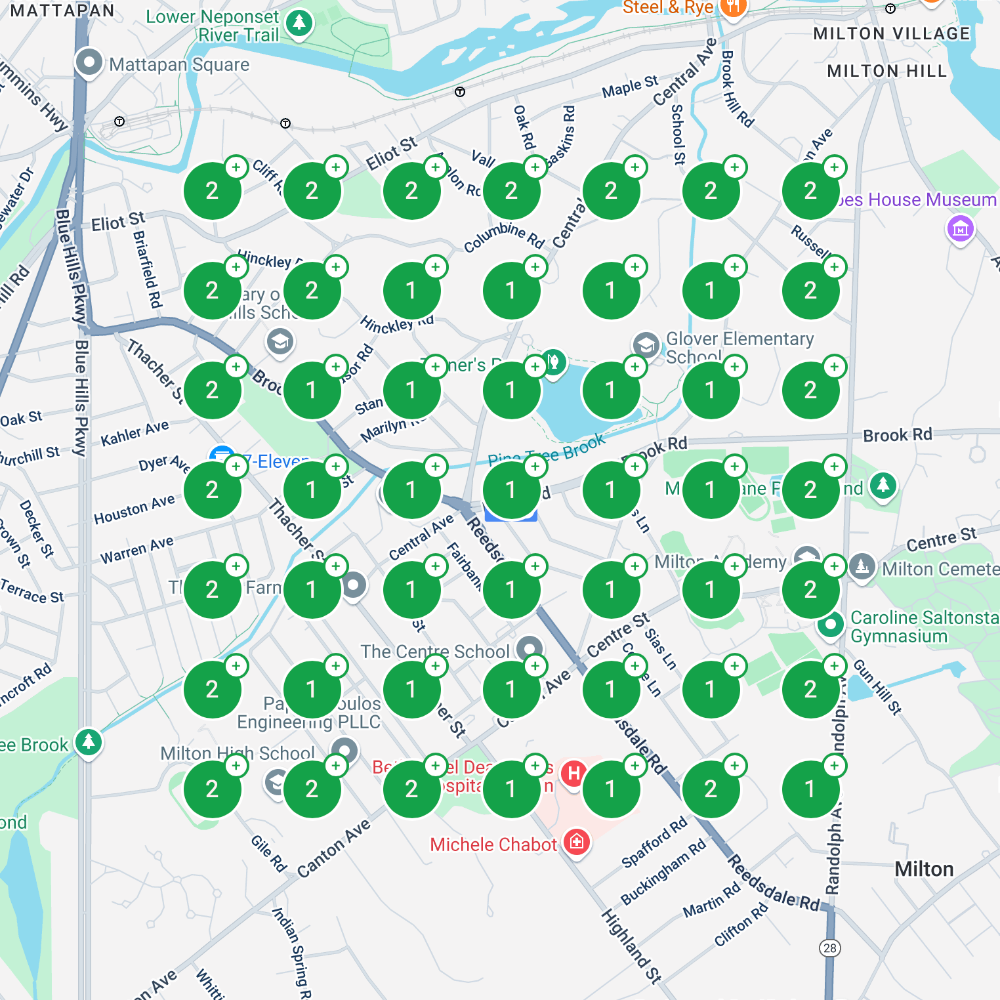
Inputs: three core service pages, two location pages, your Google Business Profile URL, a 9×9 geo‑grid tool, and GA4 access. Bring a short list of local keywords tied to intent.
Steps: put city + service in each H1 and title, then add one unique FAQ per page. Link service pages together with “next step” links. Add Organization and LocalBusiness schema. Update your GBP website link with UTM tags. Fix name, address, phone (nap) everywhere. Earn two quick local backlinks, a chamber profile and a sponsor mention, plus one industry backlinks win.
Checks: scan the grid at day 3, 7, and 14. In GA4, watch sessions and calls from gmb/organic. Confirm citations match your primary category and hours. This applies to local ranking as well.
Pitfalls: thin service pages, mismatched categories, and duplicate suite numbers. Watch for URL changes that break internal links.
Smallest safe test: update one service page, tag the GBP link, and re‑scan in 7 days. After 14 days, 12 of 18 terms moved into the top three for a dental client; calls tagged gmb/organic rose from 8 to 16 per week.
Remember that plumber who lost twenty-three months of visibility after a move? Thirty days after fixing the address, syncing citations, and swapping to the correct primary category, the calls came back, and then doubled.
Maps doesn’t reward guesswork. It rewards tight NAP data, smart category choices, fresh reviews, and the kind of profile hygiene that turns a listing into a magnet. Those signals stack, category clarity lifts your radius, review velocity builds trust, and every update reminds Google your storefront is open for business.
You don’t need to chase every ranking factor at once. Start with the three that move calls: nail your category, clean your address, and ask happy customers to leave reviews before they walk out the door.
Your pins are waiting. Go claim them.
